Is the Biggest Celebrity Really the Best Brand Ambassador?
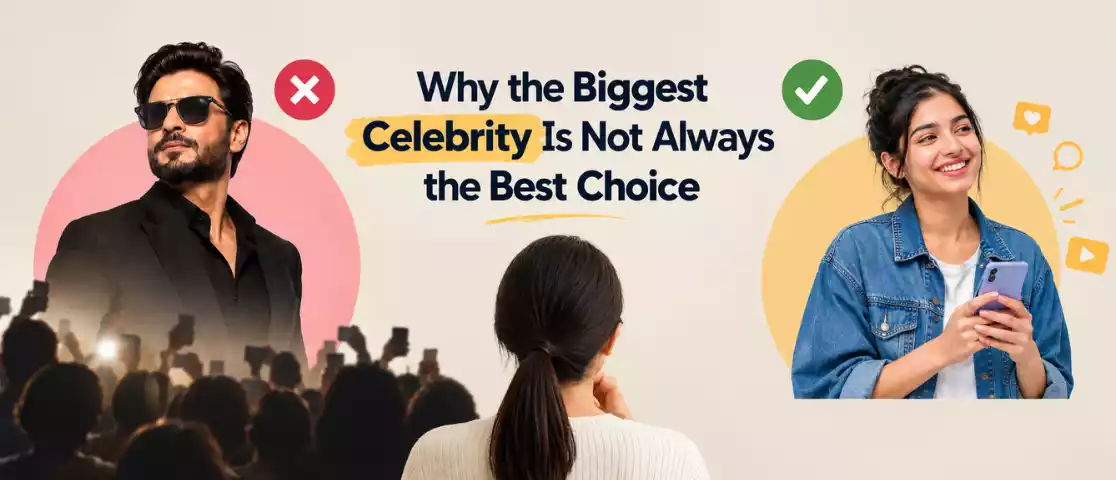
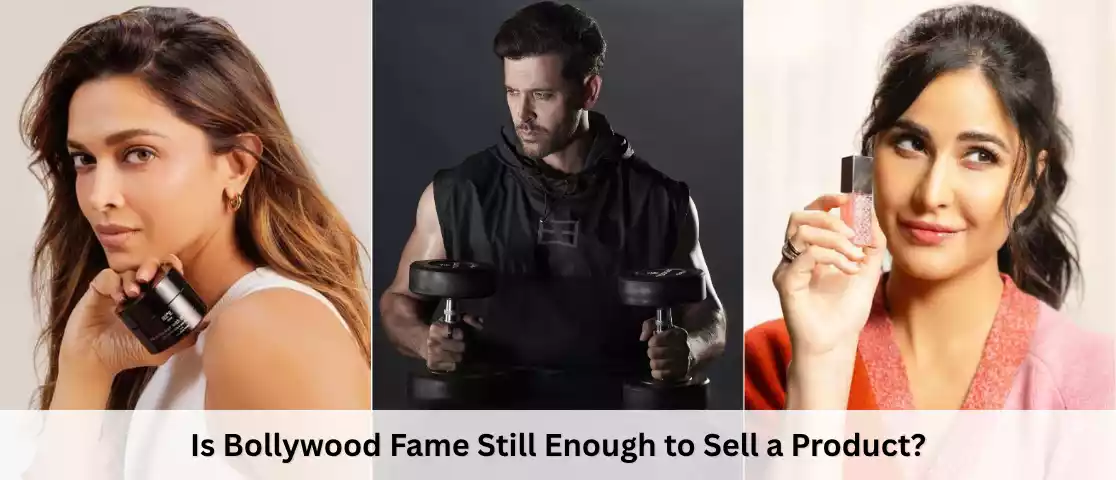
For a long time, choosing a celebrity for a campaign seemed straightforward. Find the biggest name available, put the product in front of them, and use their popularity to reach as many people as possible. In India, where Bollywood, cricket, and entertainment have a huge influence on popular culture, this approach can give a brand instant visibility. But visibility is only one part of marketing.
A celebrity with millions of followers can make a campaign impossible to ignore, but those millions of people may not be the people the brand actually needs to reach. A skincare brand may need beauty-focused consumers. A fitness product may need people who actively follow fitness content. A technology product may need an audience that researches specifications before buying. A financial product may need credibility more than glamour. This is where the choice between a major celebrity and a smaller creator becomes more complicated.
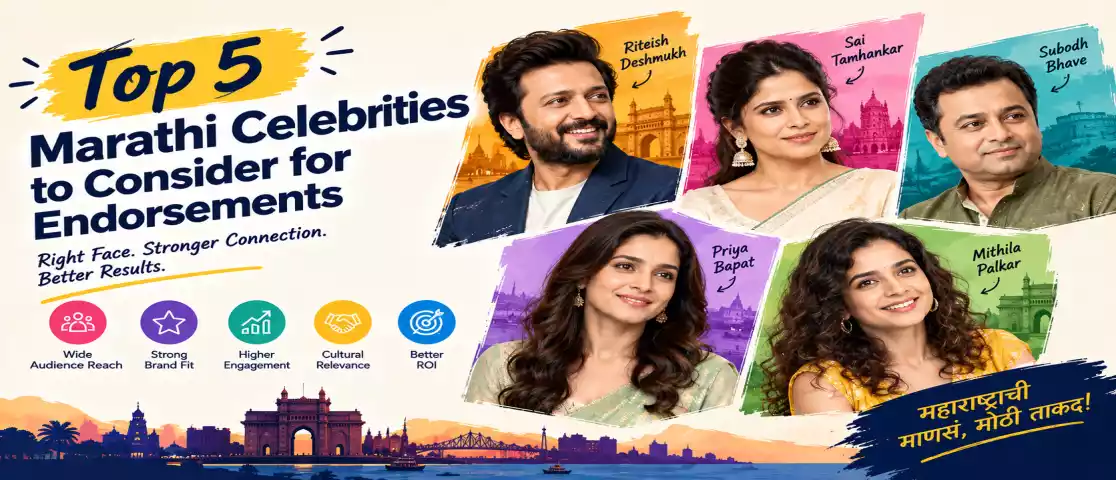
A celebrity can provide scale, recognition, and cultural attention. A macro or mid-tier creator can provide a more focused audience. A micro-influencer can have a stronger relationship with a particular community. An expert can offer authority that a film star may not have. The right choice depends on what the campaign needs to achieve.
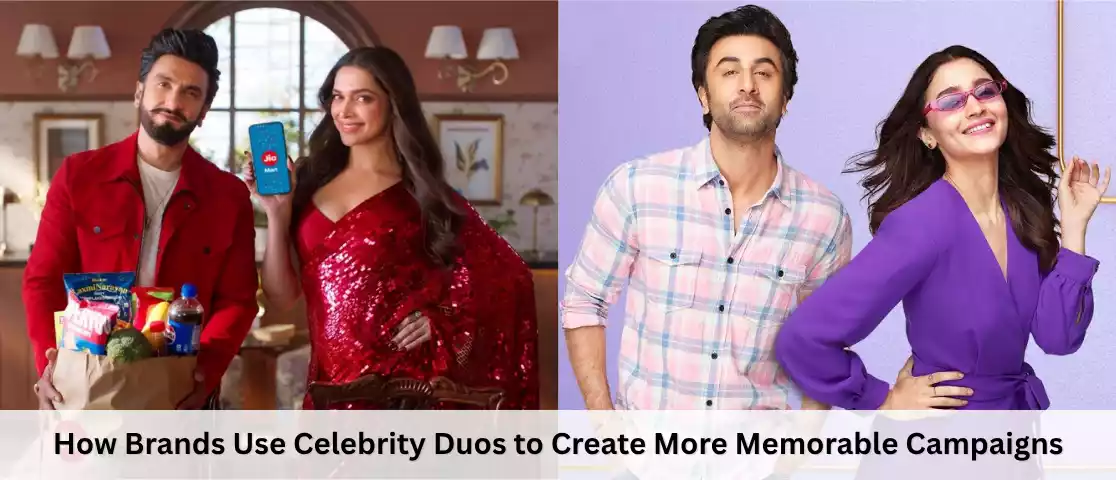
A brand launching a mass-market product may benefit from a major celebrity because awareness is the first challenge. A specialised product may get more useful results from several niche creators who already speak to the people most likely to buy it. Some campaigns may need both, with a famous face creating awareness and smaller creators helping consumers understand and consider the product.
India's influencer market also shows why follower count alone is not enough. An EY report on influencer marketing in India found that nano and micro-influencers had higher average engagement rates than mega and macro categories in the data it cited. The report also noted that 47% of brands preferred micro and nano-influencers because of the lower cost per reach.
The question for brands, then, is not simply "Who is the most famous person we can afford?"
It is "Who can best influence the people we want to reach, in the way we need them to act?"










 Birthday
 Anniversary
 Wedding Gifts
 Women
 Men


