1. Create Campaigns in Regional Languages
One of the simplest ways to make an influencer campaign more relevant is to communicate in the audience's preferred language.
Instead of asking a Tamil creator to create an English or Hindi advertisement, let them speak naturally in Tamil. The same approach can work with Marathi, Telugu, Bengali, Gujarati, Punjabi, Kannada, Malayalam and other languages.
The goal is not just translation. The content should sound like something the creator would normally say.
Pro Tip: Give creators the key brand message but let them write the dialogue in their own language and style so the content feels natural.
2. Partner With Local Micro and Nano Influencers
You do not always need a celebrity or a creator with millions of followers to enter a regional market.
Micro and nano influencers can have smaller but highly focused communities in particular cities, districts or interest groups. They can be especially useful for brands that want to build awareness in Tier-2 and Tier-3 markets.
For example, a food brand entering a new city could work with several local food creators instead of relying on one national influencer.
This approach also allows brands to test different audiences before increasing campaign spending.
Pro Tip: Start with a small group of creators in your target region, compare engagement and conversions, and then increase spending on the strongest-performing content.
3. Build Campaigns Around Regional Festivals
India has a huge calendar of regional festivals and cultural celebrations.
Pongal in Tamil Nadu, Onam in Kerala, Ganesh Chaturthi in Maharashtra, Durga Puja in West Bengal, Bihu in Assam and Navratri in Gujarat are just a few examples.
These occasions give brands natural reasons to become part of conversations that are already happening.
Instead of simply saying "Happy Diwali" across every market, brands can create content that reflects the specific traditions and interests of each region.
Regional creators can make this even more effective because they already understand the cultural context.
Pro Tip: Plan festival campaigns several weeks in advance and give creators enough freedom to bring their own regional traditions into the content.
4. Use City-Specific Influencer Campaigns
Regional marketing does not always have to mean targeting an entire state.
Sometimes, a city-specific campaign can be much more useful.
A restaurant launching in Pune, a fashion brand entering Jaipur or a real estate company targeting Bengaluru can work with creators who have strong influence in that particular city.
These creators can talk about local experiences, neighbourhoods, trends and consumer needs in a way that national creators may not be able to.
Pro Tip: Define the exact cities you want to target before choosing creators, and check where their audience is actually located rather than assuming it matches their own location.
5. Create Regional Versions of the Same Campaign
Brands with a national presence do not necessarily need completely different campaigns for every state.
A better approach can be to develop one strong campaign idea and then adapt it for different regions.
The central message stays the same, but the language, creator, examples, humour and cultural references change.
For example, a national food campaign could use the same product message while featuring different creators preparing or enjoying the product in their own regional style.
This creates consistency while still allowing the campaign to feel local.
Pro Tip: Create a simple national campaign guideline with the non-negotiable brand points, then leave the language and creative execution to regional creators.
6. Use Regional Creators for Product Demonstrations
Product demonstrations can become much more effective when they are presented by someone the target audience already follows.
A skincare brand can work with a Bengali beauty influencer, a kitchen brand can partner with a Marathi food blogger, or a technology company can collaborate with a Telugu tech creator.
The creator can explain the product in the local language and show how it fits into everyday life.
This is especially useful for products where consumers need more information before making a purchase.
Pro Tip: Ask creators to demonstrate the product in a real-life situation instead of simply listing its features.
7. Combine Regional Influencers With Local Celebrities
Influencer marketing does not have to be limited to social media influencers.
Brands can combine regional influencers with actors, singers, athletes or other celebrities who have strong local recognition.
For example, a campaign could feature a popular regional celebrity in the main advertisement and use several local influencers to extend the campaign across Instagram, YouTube and other platforms.
This creates a useful combination of reach + relatability.
The celebrity can create broad awareness, while creators can help start more personal conversations around the product.
Pro Tip: Give the celebrity and influencers different roles instead of making everyone post the same content; this keeps the campaign varied and gives audiences more reasons to engage.
8. Build Regional UGC Campaigns
User-generated content can be a powerful addition to regional influencer marketing.
Ask creators to start a challenge, product experience or hashtag that encourages their followers to participate.
For example, a fashion brand could ask consumers to create looks inspired by their regional culture, while a food brand could invite users to share their favourite local recipes.
The best content can then be reshared by the brand.
This creates a campaign that moves beyond the original influencer and involves the wider community.
Pro Tip: Make participation simple and give people a clear content idea, hashtag and reason to take part rather than asking for generic posts about your product.
9. Work With Regional Creators on Long-Term Campaigns
One-off influencer posts can generate attention, but long-term partnerships can help brands build stronger recognition.
Instead of working with a creator once, brands can make them a recurring face for a particular region.
This could include monthly reels, product launches, festival content, store visits and special offers.
Over time, the creator becomes familiar with the product, and their audience gets multiple opportunities to see the brand.
This is particularly useful when entering a new regional market where the brand still needs to build awareness.
Pro Tip: Try a three-to-six-month creator partnership first and track how awareness, engagement and sales change over the period.
10. Measure Results Region by Region
A regional influencer campaign should not be measured only through total views.
A campaign may generate fewer overall views in one state but produce much stronger engagement or sales there.
That is why brands should track performance separately for each region.
Look at metrics such as reach, engagement, clicks, website visits, coupon codes, leads, sales and cost per conversion.
This makes it easier to understand which languages, cities, creators and content formats are actually working.
YouTube's growing creator-led shopping ecosystem also shows how influencer content is moving closer to direct commerce, with creator affiliate partnerships and product discovery becoming more connected.
Pro Tip: Create separate tracking links or promo codes for each creator and region so you can compare performance instead of relying only on views and likes.

Why Regional Influencer Marketing Matters for Indian Brands?
The biggest advantage of regional influencer marketing is simple: relevance.
People are more likely to pay attention when content feels like it was created for them rather than adapted for them.
A regional creator brings more than language to a campaign. They can bring local humour, cultural references, food habits, festivals, fashion, entertainment and everyday experiences.
This is particularly useful as India's creator economy expands beyond the biggest cities. Recent industry reporting describes regional creators as increasingly important to brand discovery and conversion, rather than simply being an extra layer added to national campaigns.
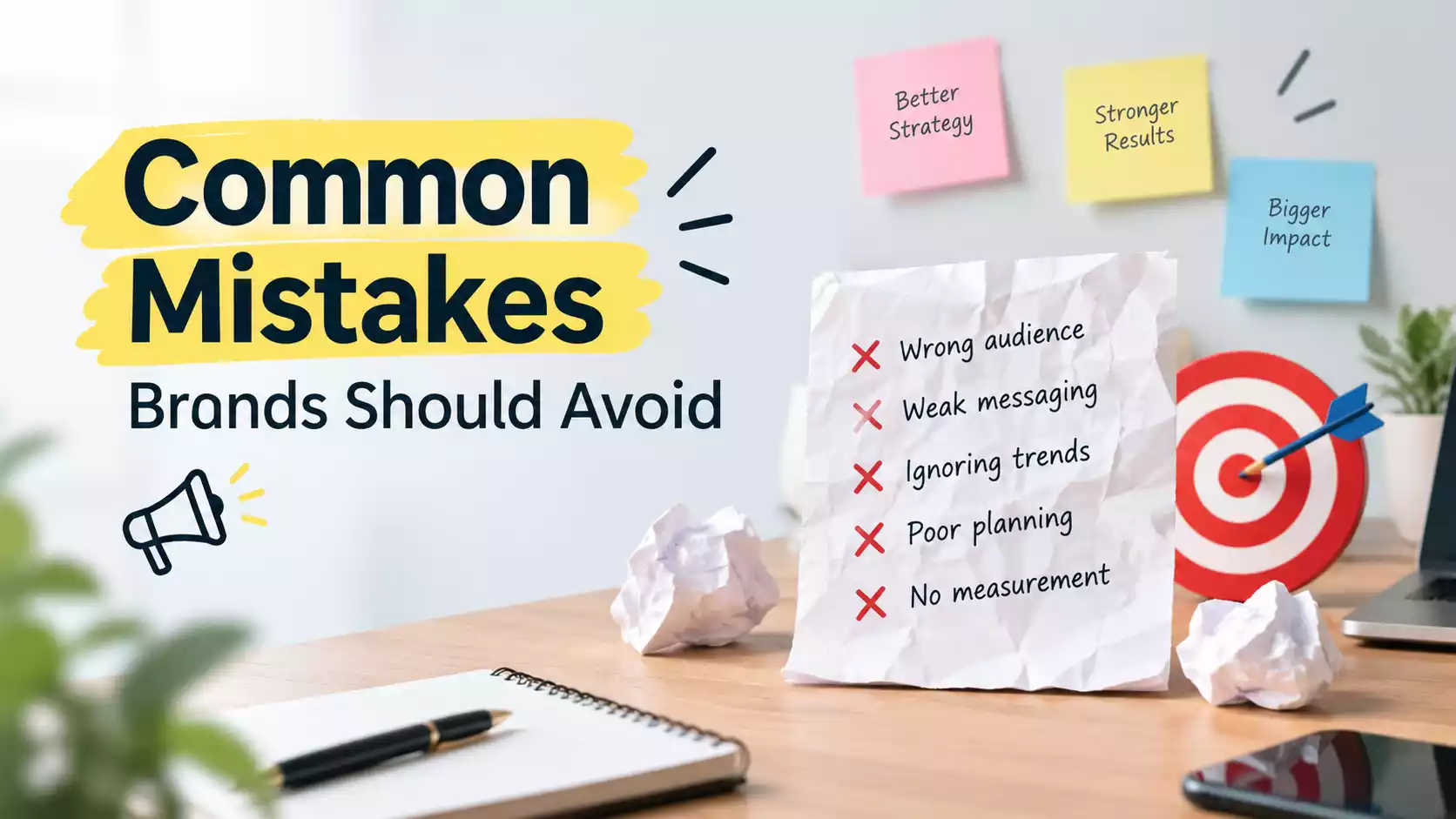
Common Mistakes Brands Should Avoid
![]()
Regional influencer marketing can work well, but brands need to avoid treating it as a simple translation exercise.
Here are some common mistakes:
- Using the same script for every regional creator.
- Choosing creators based only on follower count.
- Ignoring where a creator's audience actually lives.
- Using forced translations instead of natural regional language.
- Treating every state as one single audience.
- Focusing only on likes and views.
- Running short campaigns without testing different creators.
- Ignoring local festivals and cultural moments.
The best regional campaigns give creators enough freedom to make the content feel like their own while still keeping the brand message clear.
How Should Brands Build a Regional Influencer Strategy?
Start with the audience, not the influencer.
Decide which state, city, language or consumer group you want to reach. Then identify creators who already have a strong connection with that audience.
Next, define the campaign goal. Are you looking for awareness, engagement, app downloads, leads, store visits or sales?
Once that is clear, choose the right creator type and campaign format.
You can then test a small group of creators, study the results and scale the combinations that perform well.
This approach is much more useful than simply choosing the biggest creator available.
Final Thoughts
India's regional markets offer brands a huge opportunity to connect with consumers in a more personal way.
The key is to stop thinking of regional influencer marketing as simply translating a national campaign into another language. Instead, brands should build campaigns around local creators, culture, communities and consumer behaviour.
From regional-language content and city-specific campaigns to festival marketing, local UGC and long-term creator partnerships, there are plenty of ways to make influencer marketing feel genuinely local.
And you don't have to choose between celebrity marketing and influencer marketing.
Tring is the go-to platform for businesses and brands looking to book celebrities and influencers for promotion. Whether you want a regional influencer for a social media campaign, a celebrity for a brand endorsement, or a combination of both for a larger campaign, Tring can help businesses explore the right promotional opportunities for their brand.



 Birthday Gifts
 Women
Women
 Men
Men
 Anniversary Gifts
 Wedding Gifts
 Search from 15000+ celebs

 We now support international payments