Why Celebrity Pairings Are More Memorable Than Solo Endorsements
Why Celebrity Pairings Are More Memorable Than Solo Endorsements
Discover why celebrity pairings can leave a stronger impression than solo endorsements. Explore celebrity collaborations, brand campaigns, advertising strategies, and audience recall.
Do You Own A Brand or Business?
Boost Your Brand's Reach with Top Celebrities & Influencers!
Share Your Details & Get a Call Within 30 Mins!
Thank You for Your Enquiry!
We’ve received your details and will connect with you soon!
Your information is safe with us
A solo celebrity endorsement gives a brand one image to build around: one face, one voice, one set of associations to borrow. A celebrity pairing offers something a single endorser cannot, the interaction between two people. That difference does not automatically make pairings the stronger choice, but it opens up a different kind of advertising, built on chemistry, contrast, and dialogue rather than a single presence.
The question worth asking is not whether two celebrities beat one. It is why, in certain campaigns, putting two recognisable personalities together produces an advertisement that feels more distinctive than either person could have created alone, and when that extra layer of interaction actually earns its place in the story.
What Is a Celebrity Pairing in Advertising?
A celebrity pairing means two well-known personalities appearing together in the same campaign, rather than one celebrity fronting it alone. This can involve two actors, an actor and a musician, two athletes, or celebrities who already share on-screen familiarity, such as recent co-stars, or two people paired specifically because their public images contrast or complement each other.
What makes a pairing valuable is not simply that a brand now has two famous names attached to it. Two disconnected celebrities who never interact are really just two solo endorsements running side by side. The creative value comes from what the two personalities generate together, a joke that needs both of them, a contrast that only works in comparison, a story that requires a second character to unfold.
Solo Endorsements vs Celebrity Pairings
Factor
Solo Endorsement
Celebrity Pairing
Core appeal
Built around one celebrity's image and credibility
Built around two personalities and how they relate to each other
Storytelling
Often centred on the celebrity and the product directly
Can include interaction and relationship-based storytelling
Brand communication
One celebrity image supports the brand message
Two personalities can create contrast or chemistry around it
Creative possibilities
Direct and focused on a single presence
Dialogue, humour, contrast, or collaboration between two people
Audience response
Tied to one celebrity's existing audience
Can draw on the combined appeal of both celebrities
Neither format is inherently stronger. A solo endorsement can carry a focused, credible message when a campaign needs one clear voice, while a pairing suits campaigns built around a relationship, contrast, or a story that benefits from two characters rather than one.
Why Celebrity Pairings Can Be More Memorable
Several mechanisms explain why pairings can, in the right campaign, produce more distinctive advertising than a solo endorsement:
Chemistry: a natural, believable rapport between two celebrities, often built through prior work together, gives the advertisement a sense of real interaction rather than staged performance.
Contrast: differences in personality, age, or public image can create a more interesting dynamic than either alone, with one person's exaggerated trait landing harder against someone calmer or more skeptical.
Humour and banter: dialogue between two recognisable people creates a punchline, a reaction, or a tease that a campaign can build around, rather than a single spokesperson addressing the camera directly.
Storytelling: two people can form a beginning, middle, and end more naturally than one celebrity presenting a product, lending itself to a small narrative arc.
Multiple recognition cues: a pairing gives an audience two familiar faces within the same advertisement, creating more entry points for recognition, provided both are used meaningfully.
None of these mechanisms guarantees stronger recall on their own. They describe why a pairing can create richer creative material when a campaign is built specifically to use the interaction, not simply to feature two names.
Celebrity Collaboration Ads: How Pairings Work on Screen
A few documented Indian campaigns show this interaction functioning as part of the creative concept itself, not as decoration.
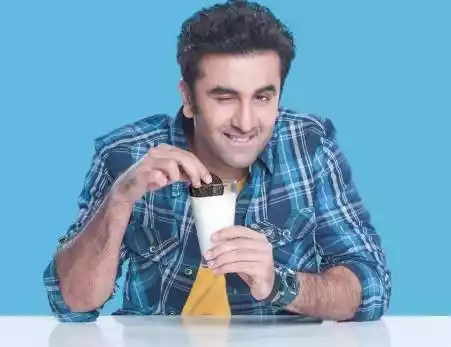
1. Ranbir Kapoor x Karthi, Oreo
Oreo's 2013 "Connect Playfully" campaign paired Ranbir Kapoor and Tamil actor Karthi as the brand's first celebrity ambassadors in India, with separate sibling-themed films for the Hindi and Tamil markets. In the Hindi film, Ranbir Kapoor's character negotiates with his on-screen sister over a shared pack of Oreo after she draws a line dividing their room.
The pairing did work a solo endorsement could not: it dramatised sharing through a recognisable, competitive-but-affectionate sibling dynamic, rather than simply describing the idea.
2. Deepika Padukone x Sidharth Malhotra, Oppo
Oppo's 2018 campaign for the F9 Pro, "5 Minute Charge, 2 Hour Talk," paired Deepika Padukone and Sidharth Malhotra around the everyday anxiety of a phone running low on battery, using both characters to show how a quick charge kept them connected to people who mattered, letting the fast-charging claim sit inside genuine emotional stakes rather than an abstract specification.
3. Ranbir Kapoor x Rashmika Mandanna, 7UP
7UP's 2024 "Super Duper Refresher" campaign paired Ranbir Kapoor and Rashmika Mandanna, drawing on their recent on-screen pairing in Animal. The films built humour around contrast: Ranbir Kapoor making an exaggerated claim, Rashmika Mandanna reacting with visible skepticism, before the product resolved the joke, a mechanism that could not exist with only one of them present.
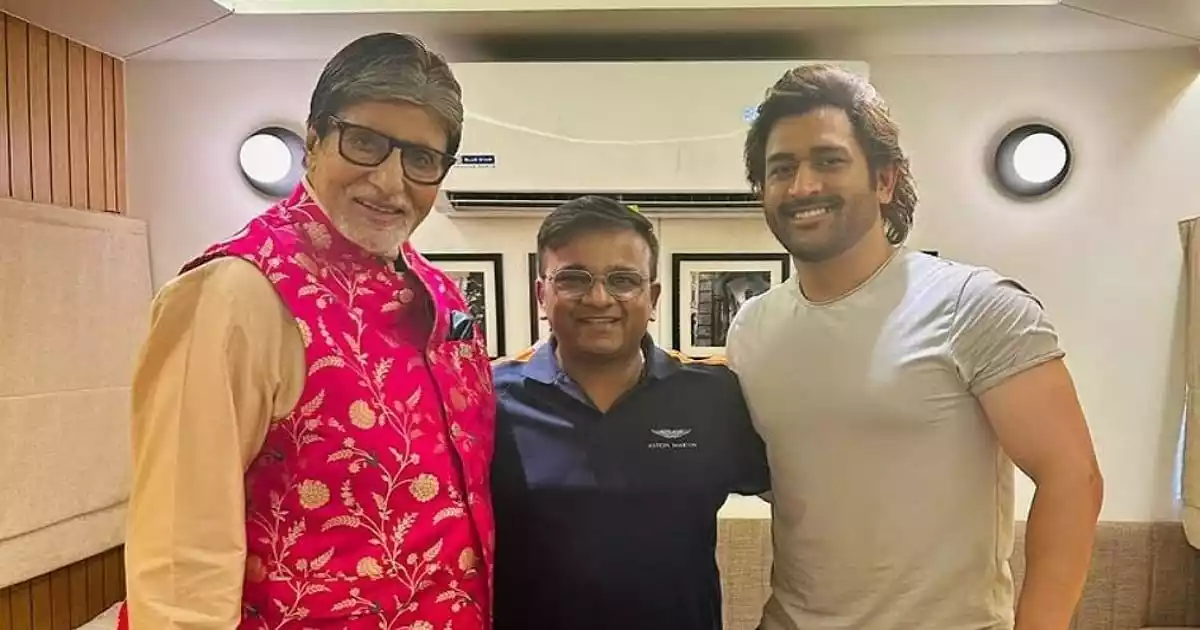
4. Amitabh Bachchan x M S Dhoni, Dabur Chyawanprash
Dabur Chyawanprash's use of Amitabh Bachchan alongside younger co-ambassador M S Dhoni, from around 2009, shows a different kind of pairing built on audience segmentation rather than shared scenes. The two were not shown together; each represented a different age segment, letting the brand speak to older and younger consumers through separate but complementary faces.
What Ties These Examples Together
Across these examples, the product stayed central despite the presence of two celebrities: the shared Oreo pack, the fast-charging phone, the 7UP bottle resolving the joke, and Chyawanprash's cross-generational positioning. A pairing does not require a documented friendship to work either; what matters is whether the advertisement creates a believable dynamic within its own story.
Ranbir Kapoor and Rashmika Mandanna's 7UP campaign drew on a real, recent on-screen pairing, while Oreo's sibling dynamic with Karthi was a fictional relationship built for the campaign itself. Both are legitimate; the creative dynamic, not the celebrities' personal relationship, is what the advertisement actually uses.
Creative Flexibility, Contrast, and Audience Reach
A pairing opens up formats a solo endorsement cannot easily support: conversational scenes, a joke built on a reaction shot, or banter cut into shorter clips for social media. This can matter when a brand wants a campaign adaptable across television, digital, and shorter formats, though a strong solo endorsement can achieve similar spread when the concept does not require interaction.
Deliberate contrast, one measured personality against one more exaggerated, can generate tension or humour a single celebrity cannot produce alone, as seen in 7UP's pairing of Ranbir Kapoor's exaggeration against Rashmika Mandanna's skepticism. Contrast only helps when it fits the brand's actual message; pairing two very different personalities without a creative reason risks confusing the campaign.
A pairing can also, in principle, bring together the audiences associated with each celebrity. Dabur Chyawanprash's use of Bachchan alongside Dhoni reflects this, aiming at both an older, established audience and a younger, sports-following one. Audience overlap, though, is a strategic possibility a brand hopes for, not something guaranteed by combining two celebrities with different fan bases.
When Solo Endorsements May Still Make More Sense
A single celebrity often remains the better choice. A simple, direct message avoids splitting attention between two people. When one celebrity already has a particularly strong connection to the target audience, adding a second name may dilute rather than strengthen that link. Campaigns built on personal credibility or expertise generally work better delivered by a single voice, and a brand wanting one consistent face across years of communication may prefer a solo ambassador over managing two people's schedules and images together.
How Brands Should Choose Between a Pairing and a Solo Endorsement
The decision should start with the campaign idea, not the roster of available celebrities: campaign objective, product category, audience, creative concept, celebrity fit, and whether genuine interaction potential exists, before considering format. Two celebrities only add value when their interaction contributes something the story or product genuinely needs, rather than being added simply because two famous names seem more impressive than one.
What Celebrity Pairings Teach Us About Celebrity Marketing
Celebrity marketing is not only about individual fame; the interaction between two people can itself become part of the creative strategy, as seen in 7UP's contrast-driven humour and Oreo's sibling framing. Different personalities can help a brand speak to more than one audience segment, as Dabur's pairing of Bachchan and Dhoni shows. And across every example here, the product stayed central to the story rather than being crowded out by celebrity presence. The strongest pairings are built around a specific, identifiable reason for putting two people together, not around simply accumulating famous names.
Conclusion
Celebrity pairings can create a more memorable advertising experience because they introduce interaction, chemistry, contrast, and storytelling possibilities a solo endorsement does not offer in the same way. Oreo's sibling dynamic, Oppo's shared battery-anxiety narrative, 7UP's exaggeration-and-skepticism contrast, and Dabur's cross-generational pairing each show a different mechanism at work, but all use the relationship between two celebrities to do something specific for the brand's message.
The value of a celebrity pairing is not simply that a brand gets two famous faces. It is that two personalities can create a stronger advertising idea when their interaction has a clear, identifiable role in telling the brand's story, and that same standard should guide the choice between a pairing and a solo endorsement in the first place.
Do You Own A Brand or Business?
Boost Your Brand's Reach with Top Celebrities & Influencers!
Share Your Details & Get a Call Within 30 Mins!
Thank You for Your Enquiry!
We’ve received your details and will connect with you soon!


 Birthday Gifts
 Women
Women
 Men
Men
 Anniversary Gifts
 Wedding Gifts
 Search from 15000+ celebs


 We now support international payments