Top 10 Celebrity Endorsement Examples in India
Celebrity endorsements have long played a powerful role in shaping how Indian audiences view brands. From beauty and fashion to food, tech, and lifestyle, the right celebrity partnership can boost visibility, strengthen trust, and make a campaign far more memorable. Here are 10 of the best celebrity endorsement examples in India that show how impactful the right face can be for a brand.
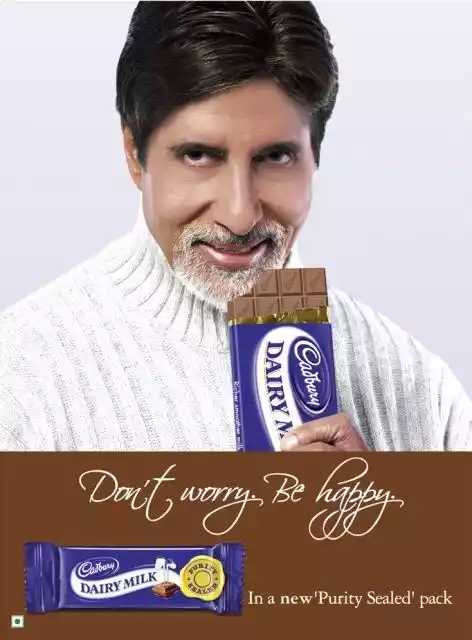
1. Cadbury x Amitabh Bachchan

This is one of the most famous celebrity endorsement examples in India because it was not just about visibility. Cadbury brought Amitabh Bachchan on board after a packaging and trust crisis, using his personal credibility to help rebuild consumer confidence. The move helped shift the conversation back toward joy, celebration, and everyday consumption, which is exactly what Cadbury needed in a moment of brand recovery.
What makes this example so strong is that the celebrity was not there simply to look famous. He was there to repair meaning. That is what a well-chosen endorsement can do: it can make a brand feel safe again.
2. MRF x Virat Kohli
MRF’s association with Virat Kohli is one of the most enduring endorsement stories in Indian marketing. The brand’s official sports-goods page still highlights its long connection with cricket and its Virat Kohli bat line, while reports note that Kohli’s eight-year bat sponsorship renewal with MRF was valued at over ₹100 crore. That kind of long-term association is powerful because it makes the brand feel like part of the sport’s identity, not just a sponsor on the sidelines.
This is a great example of celebrity endorsements working through performance, consistency, and long-term visibility. It is also a reminder that when a brand and celebrity stay together long enough, the endorsement becomes part of memory.
3. Hyundai x Shah Rukh Khan
Hyundai’s current campaign with Shah Rukh Khan shows how a celebrity endorsement can work on a mass scale while still feeling emotionally specific. Hyundai’s official 2026 campaign, “Deewane India ka Deewana Humsafar,” uses SRK to connect the brand with India’s passion for cricket and the feeling of shared national excitement. The company explicitly frames the campaign around emotion, fandom, and a deeper connection with Indian consumers.
That is why this partnership works so well. SRK is not just famous. He is a pan-India cultural figure whose image carries warmth, familiarity, and aspiration. Hyundai uses that to make a mobility brand feel closer to people’s emotional world.
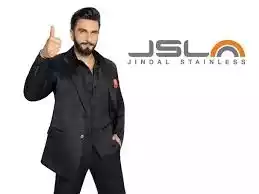
4. Ranveer Singh x Jindal Stainless

Jindal Stainless made a very smart move by appointing Ranveer Singh as its first-ever brand ambassador and nationwide celebrity endorser. The company’s own press release says the association is meant to expand visibility and strengthen consumer connect, and it specifically notes that Ranveer’s persona mirrors the brand’s core ethos of grit, performance, and reliability.
This is a strong example of celebrity endorsements moving an industrial brand closer to consumer relevance. Stainless steel is not a category that naturally feels glamorous, but Ranveer’s energy helps make it more visible, more contemporary, and easier to talk about.
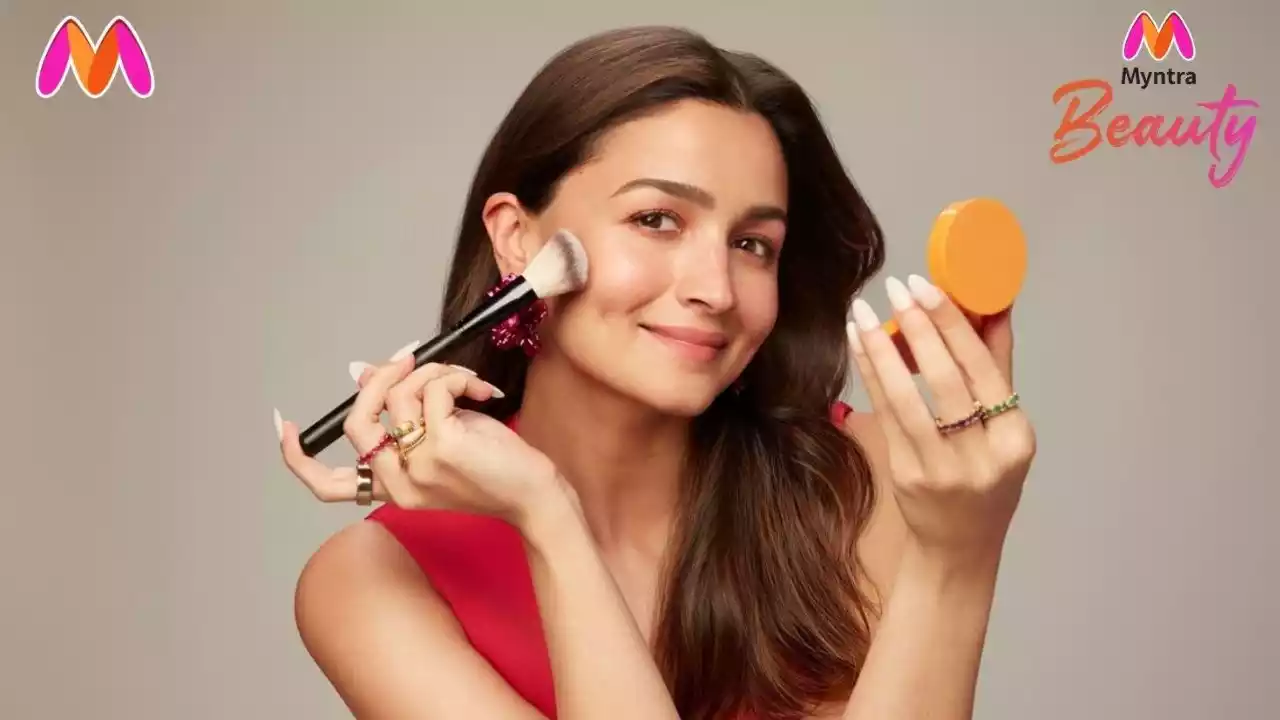
5. Alia Bhatt x Myntra

Myntra’s appointment of Alia Bhatt as the face of its fashion and beauty verticals shows how a celebrity endorsement can help a platform sharpen its positioning. The brand’s coverage around the move says Alia’s broad cultural reach and connection with younger audiences make her a natural fit for Myntra’s fashion and beauty strategy, especially as the platform pushes discovery and accessibility.
This works because Myntra is not just buying fame. It is buying a face that fits both fashion and beauty, two categories where taste, confidence, and relatability matter a lot. That is what makes this one of the strongest current celebrity endorsement examples in India.
6. Deepika Padukone x Nykaa
Nykaa’s partnership with Deepika Padukone is a classic beauty-category fit. The company’s press release says Deepika will front key beauty moments such as the Pink Friday Sale, Nykaaland, and the Nykaa Best in Beauty Awards, positioning her as more than a face, but as someone who embodies the message that beauty is personal and yours to define.
This is exactly how a beauty endorsement should work. The celebrity is not only attractive or popular. She helps give the brand a point of view. That makes the campaign feel more aligned with self-expression, confidence, and modern beauty culture.
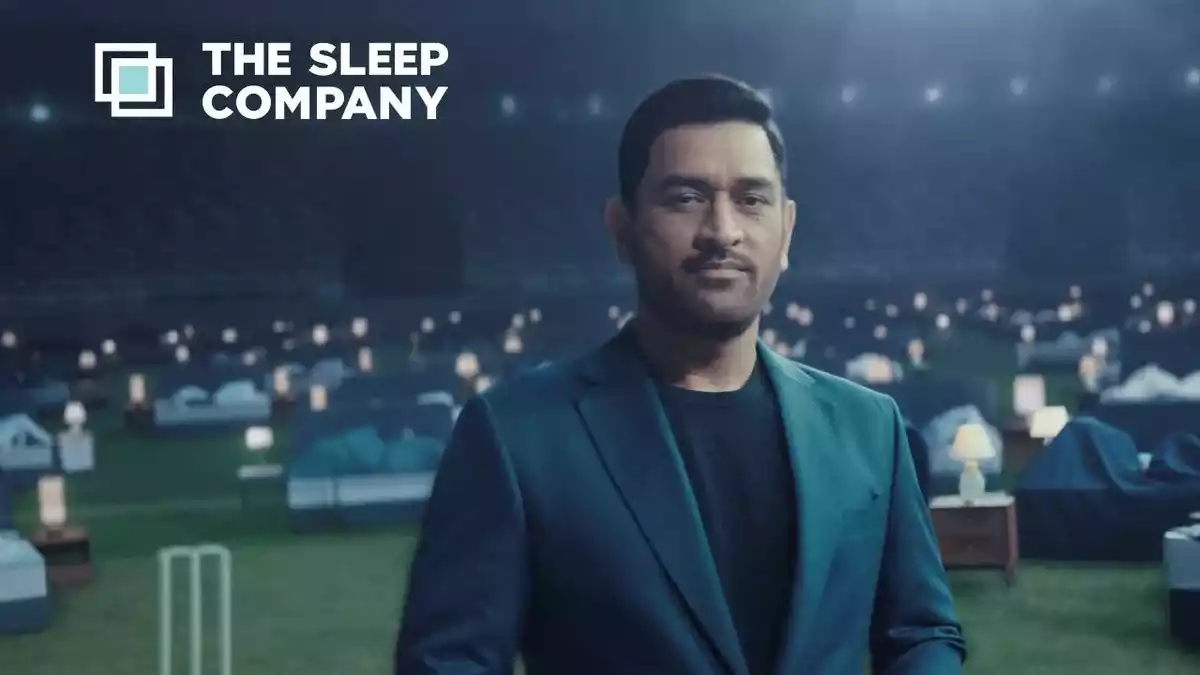
7. MS Dhoni x The Sleep Company

MS Dhoni’s endorsement of The Sleep Company is a strong example of category logic done well. The brand’s own content and follow-up coverage show that the campaign centers on sleep quality and duration, using Dhoni’s calm, composed image and the number 8 to connect performance with rest. The brand positions the campaign as a national conversation around sleep deprivation, which gives the endorsement a clear behavioural purpose.
This is a smart endorsement because Dhoni is trusted, disciplined, and associated with performance under pressure. That makes him a natural face for a sleep brand, where credibility matters more than glamour alone.
8. Katrina Kaif x Visit Maldives
Visit Maldives, naming Katrina Kaif as its global brand ambassador, is a strong example of destination marketing using celebrity appeal. The official press release says the partnership is meant to promote the Maldives as a luxury travel destination and leverage Katrina’s global recognition and strong connection with audiences.
This endorsement works because the celebrity image and the destination image match. Katrina already has a luxury, aspirational public persona, so the campaign feels natural rather than forced. That kind of fit is what makes celebrity endorsements travel well across markets.
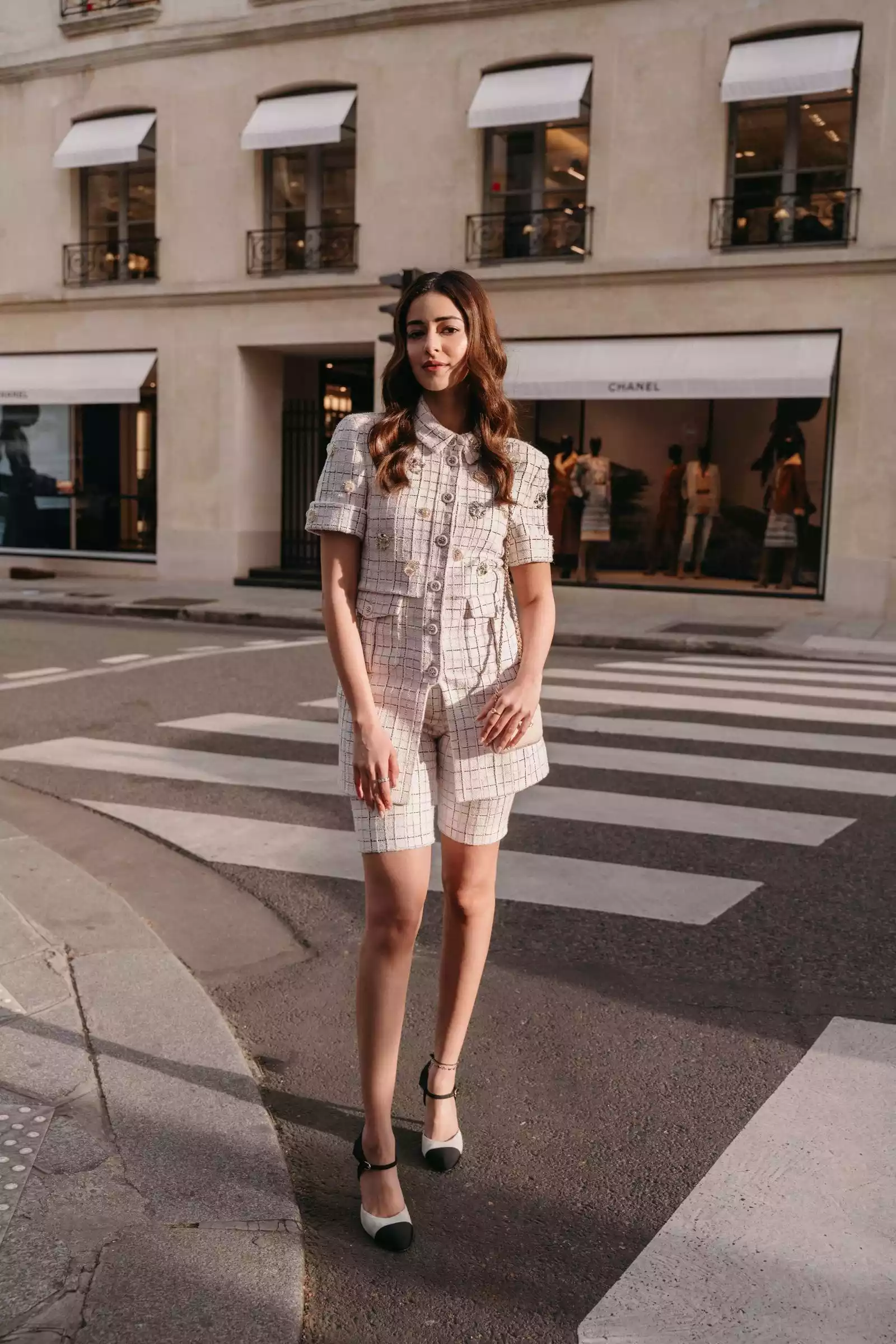
9. Ananya Panday x Chanel

Ananya Panday becoming Chanel’s first-ever Indian brand ambassador is one of the most notable Indian celebrity endorsement moments of recent years. The Hindu reported the announcement in 2025, and the appointment marked a significant move for the luxury house in India. Chanel’s decision reflects not just fame, but fashion alignment, youth appeal, and a strong luxury image.
This example matters because luxury endorsements are not about mass reach alone. They are about identity, aspiration, and cultural fit. Ananya’s association with Chanel shows how younger Indian talent is now being placed into global luxury narratives with more confidence.
10. Sachin Tendulkar x Reddit
Reddit’s appointment of Sachin Tendulkar as a brand ambassador is an interesting modern example because it shows how celebrity endorsements can work even in digital community platforms. Reddit’s own announcement says the partnership is designed to strengthen communities centered on shared passions like cricket and reflects the platform’s growing relevance in the broader sports conversation.
This is a good example of an endorsement that is not about glamour in the usual sense. It is about trust, shared interest, and community relevance. Sachin’s credibility helps a digital platform feel more familiar to Indian audiences.
What the best Indian endorsement campaigns have in common
Across all these examples, one pattern keeps showing up: the best celebrity endorsements in India are not random. They are built around fit. Cadbury used Amitabh Bachchan to rebuild trust after a crisis. MRF used Virat Kohli to reinforce performance and legacy. Hyundai uses Shah Rukh Khan to connect with mass emotion and cricket culture. Myntra and Nykaa use Alia and Deepika to sharpen their beauty and fashion identity. The brands that win are usually the ones that understand what the celebrity is really doing for them.
That is the main lesson for brands. A celebrity should not just be famous. They should make the category feel clearer, the brand feel stronger, and the campaign feel more believable. When that happens, the endorsement does more than advertise. It becomes part of the brand’s memory.
Conclusion
The top celebrity endorsement examples in India all show the same thing in different ways: celebrity marketing works best when the fit is right. In some cases, the celebrity helps rebuild trust. In others, they make the brand feel more premium, more current, or more culturally relevant. And in a few cases, they help an ordinary category feel important enough to remember.
If a brand is thinking about celebrity endorsements, brand ambassador marketing, influencer marketing, or event appearances, the question should never be only “Who is famous?” It should be “Who actually makes this brand make more sense?” That is the difference between a celebrity name and a strong endorsement.



 Birthday Gifts
 Women
Women
 Men
Men
 Anniversary Gifts
 Wedding Gifts
 Search from 15000+ celebs


 We now support international payments