Parle-G’s Brand Philosophy: Mass Appeal Over Celebrity Novelty

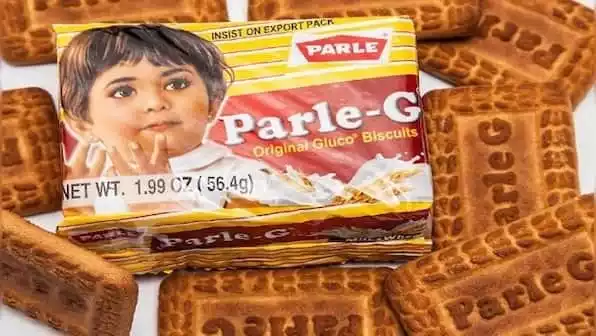
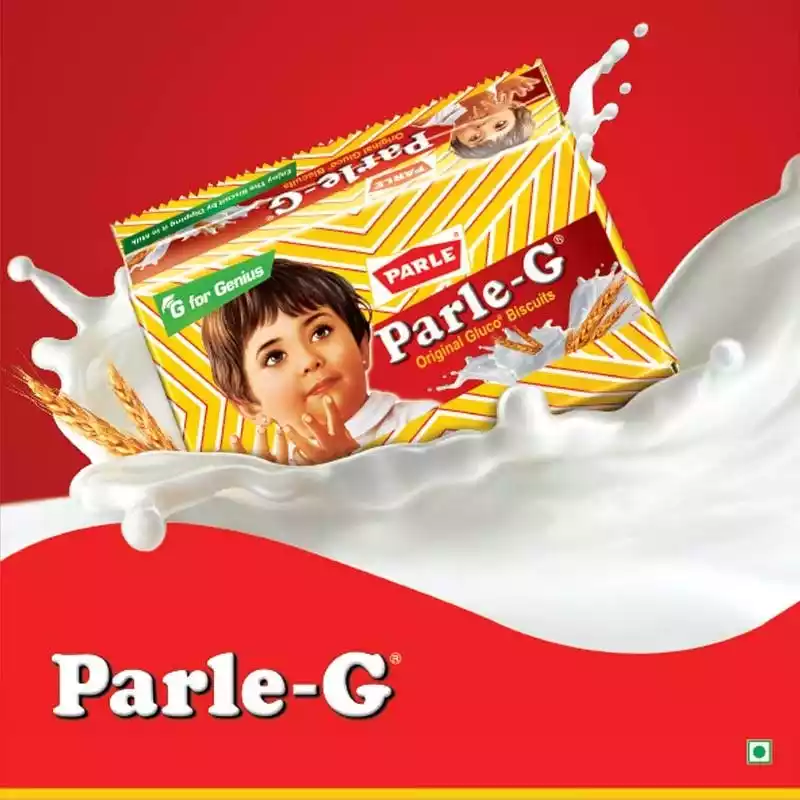
Parle-G has always positioned itself as a product for everyone, not a lifestyle upgrade or a premium aspiration.
Key principles behind this philosophy:
- Affordable staple, not a status symbol: Parle-G is consumed daily by families across income groups. Using a high-profile celebrity could have shifted perception from necessity to indulgence, which would dilute its core value.
- Trust built through longevity, not glamour: The brand relied on years of consistent quality and pricing rather than borrowing credibility from a star face.
- Nationwide reach across languages and regions: A single celebrity rarely resonates equally with rural consumers, small towns, and metros. Parle-G’s messaging needed to feel universally Indian.
This philosophy shaped every creative decision the brand made, including who appeared on screen.
The “Common Man” as the Hero: Relatability Over Celebrities
Instead of celebrities, Parle-G ads consistently featured schoolchildren, mothers, factory workers, soldiers, and everyday families.
Why this worked so well:
- Viewers saw themselves in the ads: The characters looked like people from real homes, classrooms, and neighbourhoods, making the stories instantly believable.
- The product felt earned, not endorsed: Parle-G was shown as fuel for hard work, study, and resilience, not something recommended by fame.
- Emotional storytelling stayed central: Ads focused on hunger, energy, care, and responsibility, themes that connected deeply with Indian audiences.
Campaigns around strength, intelligence, and growing up positioned Parle-G as a silent supporter in everyday life rather than a product being promoted.
Why Parle-G Chose Everyday Faces Instead of Big Endorsers
This was not a budget limitation but a strategic choice.
Specific reasons behind the decision:
- Avoiding celebrity overshadowing: In mass brands, celebrities often become more memorable than the product itself. Parle-G ensured the biscuit remained the hero.
- Consistency across decades: Celebrities age, change images, or lose relevance. Parle-G’s messaging stayed consistent even as generations changed.
- Crisis-proof communication: With no celebrity dependency, the brand was insulated from controversies, endorsement risks, or sudden image mismatches.
- Stronger emotional ownership: Consumers felt Parle-G belonged to them, not to a celebrity.
This approach helped Parle-G become culturally embedded rather than campaign-driven.
How Brands Can Use Celebrity Endorsements Differently (Learning from Parle-G)
Parle-G’s favorite choice was everyday people and emotional narrative rather than star power, but that doesn’t mean celebrities can’t play a useful role in brand marketing. In fact, Parle-G’s strategy highlights when and how celebrities should be used rather than if they should be used.
1. Use celebrities to reinforce meaningful claims, not replace brand identity
Celebrities are most effective when they support a clear product value rather than trying to be the whole story. For example, when Sachin Tendulkar endorsed Boost, his association was tied specifically to energy and stamina claims, aligning his sportsperson image with the drink’s positioning and helping the brand’s message stick. This shows that celebrity meaning should transfer to the product role rather than distract from it.
2. Use celebrities for targeted activations instead of blanket presence
Parle-G used real families and children to embody its themes of nourishment and grit. Brands can borrow this idea by using celebrities in specific campaign bursts like a product launch or seasonal push, but keeping everyday communications anchored in relatable human stories. This keeps the celebrity’s appearance exciting and impactful without overwhelming the brand’s own voice.
3. Choose celebrities whose public persona aligns with the brand’s cultural context
One reason Parle-G never needed big stars was its deep cultural embeddedness. When choosing a celebrity, it’s important that their public image and life story reinforce the brand promise, much like how a personality known for family values or hard work would naturally fit a product that markets everyday strength and care. Research shows that celebrity endorsements can improve recall and perceived credibility when audiences can connect the endorser’s traits to the brand message.
4. Use celebrities more as narrative partners than face replacements
Rather than letting a celebrity be the brand, use them to elevate specific moments in the brand story. Parle-G’s campaigns worked because the brand owned the narrative with its emotional, nostalgic motifs. Similarly, a celebrity can be brought in to underscore a brand truth, for instance, promoting a health benefit, backing a social initiative, or embodying a use case, without taking over the entire brand universe.
Parle-G’s example teaches that celebrity marketing is most effective when it amplifies what the brand already stands for, rather than trying to do too much on its own. Done right, this makes celebrity appearances feel authentic and purposeful, and not just decorative or perfunctory.
Why Parle-G’s Endorsement Strategy Works But Isn’t for Every Brand
While effective, this model has limitations for other categories.
Where it works best:
- Low-involvement, high-frequency products
- Brands with decades of trust
- Products rooted in daily consumption
Where it may struggle:
- New brands needing instant visibility
- Premium or tech-driven products
- Categories where credibility needs external validation
Get the Right Celebrity or Influencer Strategy for Your Brand
Parle-G shows that endorsement success is about fit, not fame. Some brands grow through mascots and common faces, while others need celebrities or influencers to establish trust quickly.
The key is choosing the right tool for your stage and category. Celebrity endorsements work when you need authority and scale. Influencer marketing works when relatability and peer trust matter. Platforms like Tring help brands identify and collaborate with celebrities and creators who align naturally with their values and audience, making endorsements feel credible rather than forced.
The real lesson from Parle-G is not avoiding celebrities, but understanding when your brand truly needs one.



 Birthday Gifts
 Women
Women
 Men
Men
 Anniversary Gifts
 Wedding Gifts
 Search from 15000+ celebs


 We now support international payments