When Celebrities Become Founders: Bollywood Stars Building Their Own Brands
Discover how Bollywood stars are transforming from brand ambassadors into full-fledged founders with businesses of their own. This evolution shows how celebrity credibility, audience loyalty, and personal storytelling are driving stronger consumer connections. The piece examines what this trend means for traditional endorsements.
Do You Own A Brand or Business?
Boost Your Brand's Reach with Top Celebrities & Influencers!
Share Your Details & Get a Call Within 30 Mins!
Thank You for Your Enquiry!
We’ve received your details and will connect with you soon!
Your information is safe with us
When a Bollywood star moves beyond a paid spot and signs up as a founder, the engagement stops being an ordinary celebrity endorsement and becomes a commercial commitment. Ownership changes expectations. Consumers expect product involvement, retailers expect supply certainty, and investors expect clear governance and measurable unit economics. In categories such as beauty, food and wellness, that difference is especially sharp because customers ask technical questions about ingredients, safety and efficacy before they buy.
This article looks at how and why Indian film personalities are choosing to build brands, what that choice means for product teams and investor boards, and how marketers should structure these partnerships so the celebrity’s reputation converts into durable customer trust rather than short-term attention. The point is practical: celebrity founders succeed when their role, rights and responsibilities are written down, their time is real and the product actually delivers what the founder promises.
What a “celebrity founder” actually means
Not every celebrity-backed brand is the same. Use these four definitions when you brief legal teams or investors.
Active founder. The celebrity has board representation, a formal role in product decisions, and a vested equity stake.
Strategic co-founder. The celebrity contributes periodic product guidance, marketing leadership and content rights, with a defined time commitment.
Investor founder. The celebrity primarily invests capital and offers name and selective content rights, but has limited operational involvement.
Licensed founder. The celebrity licenses their name to a product line managed by an operator or third party, often for royalties.
Each model changes expectations. An active founder must be able to spend time on the business, and governance must reflect that commitment. A licensed model protects the celebrity from operational headaches, but it reduces the authenticity signal that ownership provides.
Why Bollywood stars actually decide to be founders for their own brands
Ownership economics over one-off fees. Repeated endorsement fees can be lucrative, but equity can multiply over time as a business scales. For stars in the middle or later stages of their careers, a small equity stake in a rapidly growing D2C brand can outperform several years of endorsement income.
Control over credibility. Many celebrities have seen endorsements backfire when product claims feel exaggerated. Founding a brand allows them to shape formulation, testing and messaging so that public claims align with reality. This is especially important in categories where consumers ask technical questions, such as skincare or baby food.
Legacy and portfolio planning. Film careers fluctuate. Owning a brand creates a legacy asset and a long-term revenue stream. Stars also use brands to express personal values, for example, sustainable sourcing or women’s empowerment, which resonates with urban consumers.
Investor signalling and customer economics. A celebrity founder reduces early customer acquisition cost because fans convert at higher rates. That is attractive to investors, but it also brings higher governance expectations from VCs and angels who will probe unit economics and scalability.
Top 5 Bollywood Celebrities Who Became Successful Entrepreneurs and Brand Owners
1. Katrina Kaif x Kay Beauty
Katrina Kaif launched Kay Beauty in collaboration with Nykaa as a positioned, India-focused makeup brand that emphasises formulation suited to South Asian skin tones and accessible premium pricing. The brand was rolled out through Nykaa’s retail and D2C channels and used Katrina’s public involvement in product selection and creative to build initial credibility. Kay Beauty’s launch model celebrity founder + established retail partner reduced go-to-market friction while signalling product seriousness beyond a simple endorsement.
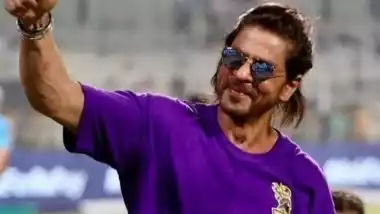
2. Shah Rukh Khan x Red Chillies Entertainment and Kolkata Knight Riders (KKR)
Shah Rukh Khan converted his celebrity capital into a media and sports empire. He founded Red Chillies Entertainment, a production and visual-effects group that extended into content services, and is a principal co-owner of the Kolkata Knight Riders IPL franchise through the Knight Riders group. That dual play, content IP plus sports franchise ownership creates recurring commercial streams from box office, VFX services, merchandising and match-day revenues, while giving him multiple platforms to incubate new businesses and investments. For brands, SRK’s model shows how celebrity ownership can build vertically integrated assets rather than one-off visibility.
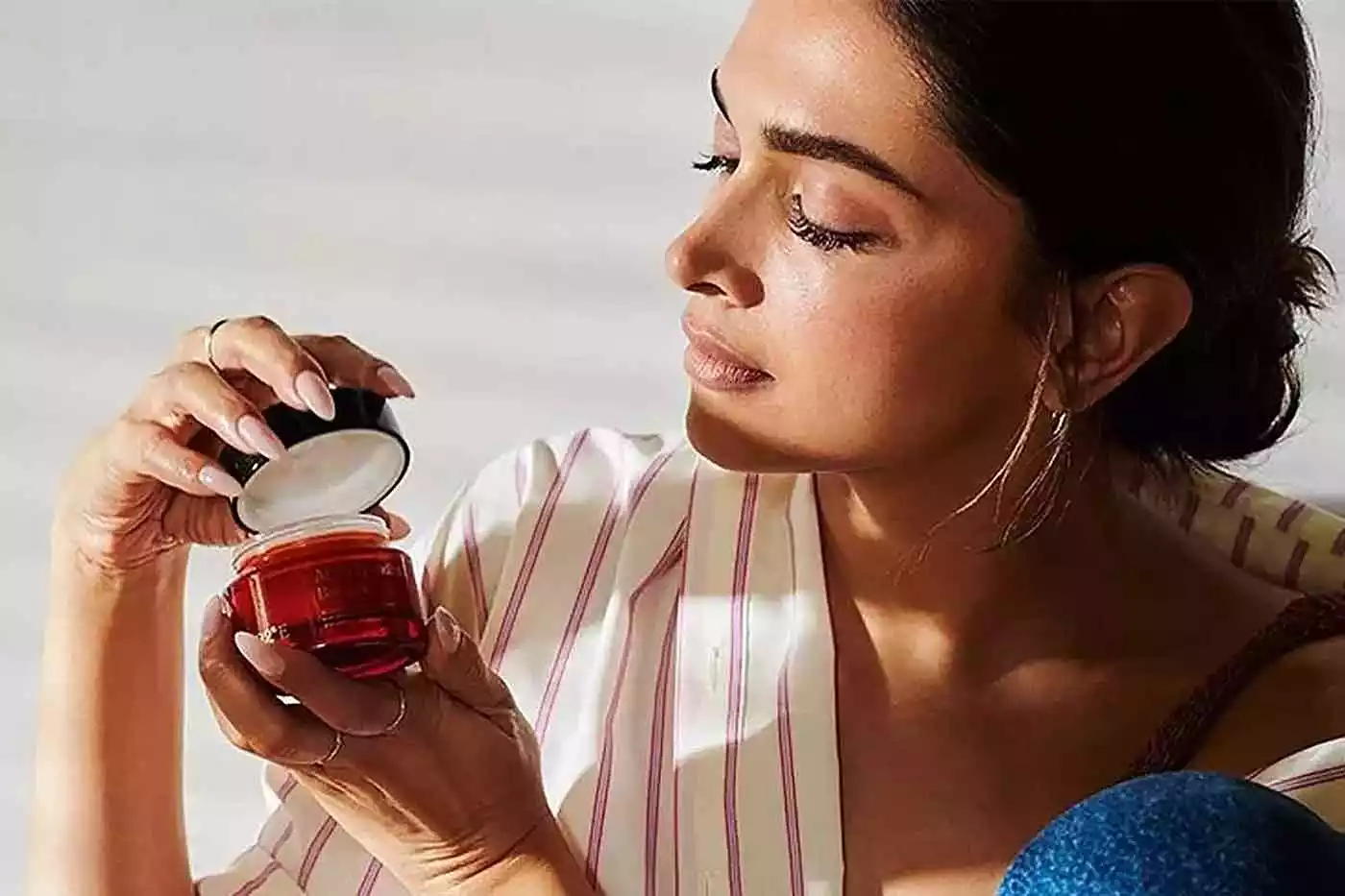
3. Deepika Padukone x 82°E, KA Enterprises and All About You (sold to Myntra)
Deepika Padukone has used a family office approach to invest and operate across categories. She founded 82°E, a self-care and skincare label that positions clinical formulations with a wellness narrative, and runs KA Enterprises as an investment vehicle for consumer and tech plays. Earlier, she co-launched the apparel label All About You and later sold the brand to Myntra, showing a path from founder involvement to an exit through strategic retail acquisition. Deepika’s approach combines selective hands-on product work with active investing, which lowers CAC through founder-led audience conversion while meeting investor demands for operational clarity.
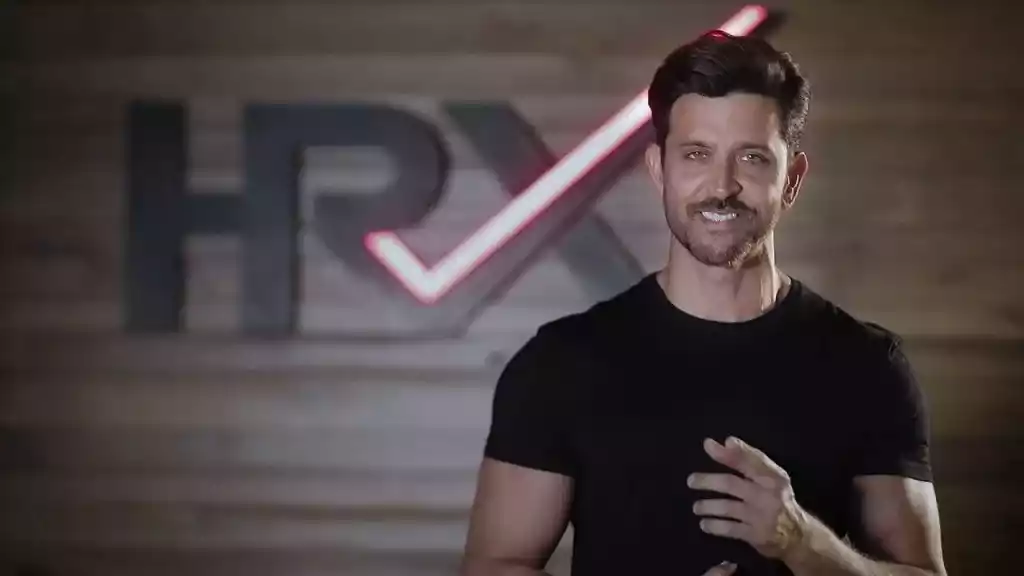
4. Hrithik Roshan x HRX and Cure.fit
Hrithik Roshan built HRX as a performance and lifestyle brand that linked the celebrity’s fitness persona to product development and athlete partnerships. HRX started on digital marketplaces and expanded into broader retail and licensing deals. Separately, Hrithik has taken strategic stakes in health and wellness startups, including a notable commercial association with Cure.fit that combined investment, brand promotion and product tie-ups. His model demonstrates how a celebrity founder can use persona-fit to legitimise technical claims in active categories and to secure distribution deals faster.
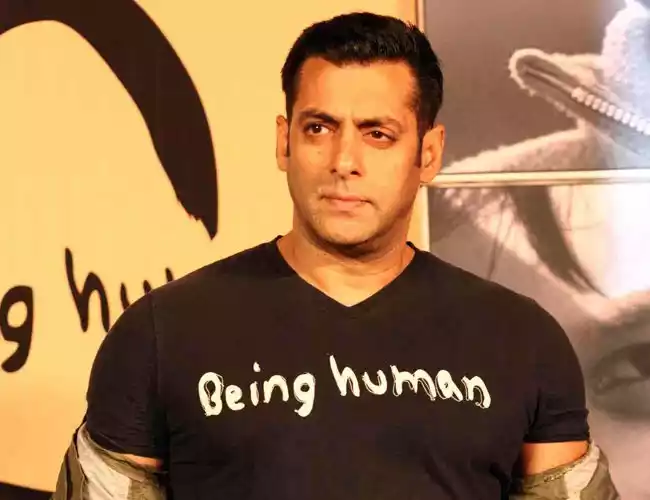
5. Salman Khan x Being Human
Salman Khan turned his charitable platform, the Being Human Foundation, into a large retail and merchandise ecosystem by licensing the Being Human brand to apparel, accessories and lifestyle products. The model funnels retail profits to the foundation while giving the brand a social purpose story that consumers can buy into. Over time, Salman has expanded into adjacent consumer plays and selective investments, using the charitable origin and mass reach to scale branded products into organized retail and online channels. Being Human remains a textbook example of combining social purpose, merchandising and celebrity visibility into a sustainable business model.
Conclusion
A celebrity founder turns attention into a lasting advantage only when three things line up. First, the star must commit real time and act as a visible steward for the brand. Second, governance and legal terms must be explicit, investor-friendly, and tied to measurable milestones. Third, the product must deliver on the founder’s promise every time a customer tries it. When these conditions are met, a founder-led launch moves. When anyone is missing, the arrangement quickly becomes a costly endorsement in new packaging.
Do You Own A Brand or Business?
Boost Your Brand's Reach with Top Celebrities & Influencers!
Share Your Details & Get a Call Within 30 Mins!
Thank You for Your Enquiry!
We’ve received your details and will connect with you soon!
Your information is safe with us
Frequently Asked Questions
Where can I get a celebrity to promote my brand?
You can connect with celebrities through platforms like Tring, which provides end-to-end celebrity endorsement and influencer marketing services.
How do I book a celebrity for a brand launch or founder announcement?
Tring simplifies celebrity bookings by managing outreach, negotiations, contracts, and campaign execution.
Where can I get a complete celebrity appearance price list for brand collaborations?
Tring offers transparency on celebrity appearance price ranges based on campaign scope and deliverables.
Where can startups find celebrity founders for D2C or consumer brands?
Tring enables startups to discover celebrities interested in equity-based partnerships and long-term brand associations.
Which platform helps brands choose the right celebrity for their business goals?
Tring matches brands with celebrities based on category fit, audience alignment, and campaign objectives.
Why do celebrity-founded brands attract investors faster?
Celebrity involvement reduces early customer acquisition costs and signals strong market visibility to investors.


 Birthday Gifts
 Women
Women
 Men
Men
 Anniversary Gifts
 Wedding Gifts
 Search from 15000+ celebs


 We now support international payments