Bollywood Celebrities Driving Social Impact Campaigns
Endorsements That Educate: Bollywood Celebrities Driving Social Impact Campaigns
Explore how Bollywood celebrities are lending their voice to endorsement campaigns that inform, inspire, and create social awareness. These initiatives blend star influence with education to spark conversations around important issues. Learn how impact-driven endorsements are reshaping the role of celebrities in brand communication.
Do You Own A Brand or Business?
Boost Your Brand's Reach with Top Celebrities & Influencers!
Share Your Details & Get a Call Within 30 Mins!
Thank You for Your Enquiry!
We’ve received your details and will connect with you soon!
Your information is safe with us
When a Bollywood celebrity lends a face to a cause, celebrity endorsements can become more than a headline or a moment of publicity. Done thoughtfully, a celebrity-led campaign can steer public conversation, correct misinformation and shift consumer buying behaviour. In India, this effect is amplified because film personalities retain cultural authority across languages and regions, so their voice can open doors that ordinary public health messaging often cannot.
The difference between a branded public service announcement and an educational endorsement is in the design. The most effective programmes treat the celebrity as a teacher and a gateway to services, not as a poster for sympathy. What follows is a practical, story-driven look at how film talent has been used to educate people on health, safety, and social issues, with concrete examples and the tactical choices that made those campaigns work.
Why celebrities can teach, not just sell
Three practical reasons explain why celebrities can be effective educators in India.
Cultural reach and trust: A well-known actor opens doors in semi-urban and non-metro markets where mass media still revolves around film culture. When a star delivers an educational message in a familiar voice, communities pay attention.
Narrative framing: Celebrities are storytellers by trade. They can translate complex public information into a memorable story that carries across languages and platforms. This helps with myth-busting and changing how people talk about an issue.
Mobilising partners: A star attracts media, NGOs and government partners. That access turns a one-off ad into a programme with trainers, local events and distribution channels needed for sustained behaviour change.
What makes an endorsement educational rather than decorative
A campaign becomes educational when the following are present. A single, teachable objective. The brief names one specific behaviour to change. For example, complete a full course of treatment, adopt a hygiene habit, or register for a government service.
A credible messenger. The celebrity either has a lived connection to the topic or partners with credible experts on stage. Credibility is not assumed; it is created through visible action and careful script work.
Delivery that extends beyond the ad. TV or digital films must be paired with on-ground activity, regional language content and community partners who can deliver the practice and follow up.
Top 5 Bollywood Endorsements That Educate
1. Amitabh Bachchan and Public Health Campaigns
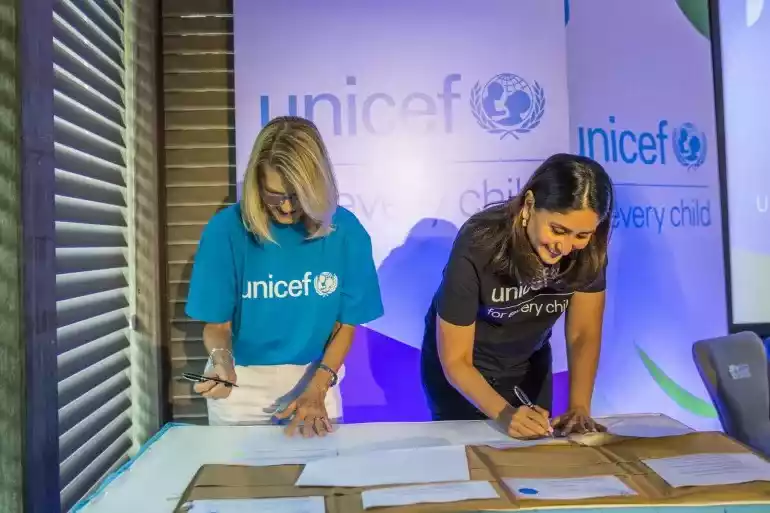
Amitabh Bachchan has been a trusted voice in major public service campaigns, most notably as a UNICEF Goodwill Ambassador, where he worked to raise awareness about polio vaccination, sexual violence against children, and the threat of HIV/AIDS. His involvement in India’s Polio Eradication Campaign helped reinforce community trust in vaccination drives that ultimately contributed to India being declared polio-free.
2. Deepika Padukone and Mental Health Awareness
Deepika Padukone has openly shared her own experiences with depression and used that platform to educate millions on mental health. Through the Live Love Laugh Foundation, she has worked to normalise conversations around depression and anxiety, encouraging people and workplaces to recognise and address mental health concerns. Her voice has helped break social taboos and bring mental health into mainstream dialogue.
3. Priyanka Chopra with UNICEF and Child Rights Education
Priyanka Chopra has lent her stature to child rights and education through long-standing work with UNICEF. As a UNICEF Goodwill Ambassador, she has travelled internationally to advocate for girls’ education, health, and protection, and participated in programmes that educate communities about child rights, hygiene, and well-being. Her visibility helps extend these messages into homes and schools across India and beyond.
4. Kareena Kapoor Khan on Children’s Health and Education
Kareena Kapoor Khan has supported multiple educational and public health campaigns. She has promoted initiatives that focus on girls’ education and quality schooling, and worked with immunisation campaigns to encourage child vaccination and maternal health awareness. Her participation in these programmes brings attention to critical issues affecting children and families in India’s smaller cities and towns.
5. Vidya Balan on Sanitation, Women’s Empowerment and Rural Education
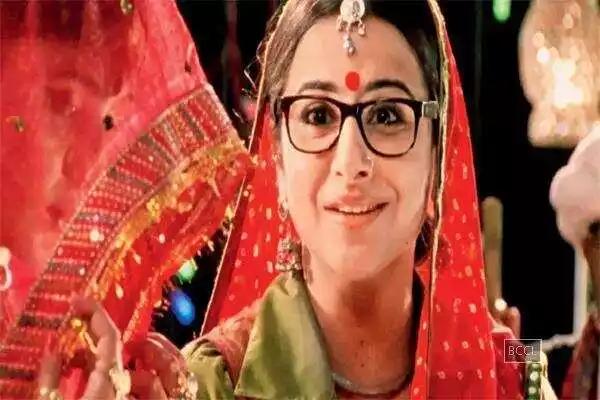
Vidya Balan has used her public profile to educate communities about sanitation, women’s empowerment and access to schooling in rural India. She was appointed as a prominent face of the Indian government’s drinking water and sanitation campaign, appearing in public service announcements that explained the importance of proper sanitation facilities, safe hygiene practices, and open-defecation-free communities. These efforts helped inform families and local leaders about behaviour changes that reduce disease transmission and support public health goals.
Beyond sanitation, Balan has also participated in campaigns to promote women’s empowerment and child education, including initiatives encouraging schooling in underserved areas of Uttar Pradesh, where she engaged directly with villagers to stress the value of education and gender equality.
Practical choices that make these campaigns work
Choose the right role for the celebrity. Not every star should be an instructor. Where technical accuracy matters, the celebrity’s role is to humanise the message and introduce experts. Where behavioural change is social and attitudinal, the celebrity can model the action.
Localise and repeat the message. Short video sequences in regional languages, local TV spots and community events amplify recall. A single thirty-second ad does not educate. A sequence of short explainers, followed by local discussions led by trained facilitators, does.
Create content people can act on. An effective campaign gives the audience a simple next step. This might be a local clinic address, a helpline number, a short checklist or an invitation to a free community session. Actionable content reduces drop off.
Partner with organisations that deliver. NGOs, government departments, and credible health networks are the backbone of delivery. The celebrity’s job is to mobilise attention and to keep public interest alive. Partners with technical skills carry out implementation.
Prepare the celebrity for the role. Training, briefing and careful scripting prevent missteps on live panels or in interviews. A celebrity who knows how to answer common questions without speculating increases campaign credibility.
What to avoid
Avoid single-shot hero films that are not followed by local activity. Avoid positioning a star as a technical expert unless they have demonstrable credentials or have been trained. Avoid charity theatre that shows communities without involving them in solution design. These mistakes turn educational intent into performative optics.
To Conclude
Endorsements that educate do more than raise name recognition. They shape how people understand a problem and how they act on it. In India, where celebrity culture still carries moral weight, a thoughtfully designed campaign can turn a moment of attention into lasting social change. The work requires a clear learning objective, credible partners, repeated regional delivery and a celebrity role that supports learning instead of overshadowing it.
If the brief is to teach rather than to broadcast, the campaign will be judged not by its impressions but by how many people change what they do tomorrow.
Do You Own A Brand or Business?
Boost Your Brand's Reach with Top Celebrities & Influencers!
Share Your Details & Get a Call Within 30 Mins!
Thank You for Your Enquiry!
We’ve received your details and will connect with you soon!
Your information is safe with us
Frequently Asked Questions
What are educational celebrity endorsements?
Educational celebrity endorsements are campaigns where Bollywood celebrities help explain, normalise, and encourage positive behaviour around social issues like health, sanitation, and education.
Where can I get a celebrity to promote my brand or social cause?
You can connect with celebrities through platforms like Tring, which provides end-to-end celebrity endorsement and influencer marketing services.
Where can I find the right celebrity for a health or education campaign?
Tring helps match brands and institutions with celebrities whose image, credibility, and audience align with the campaign’s social objective.
Why do Bollywood celebrities work well for social impact campaigns in India?
Their cultural trust and mass reach allow important messages to travel across regions, languages, and communities more effectively than standard public messaging.
How can I book a celebrity for a purpose-led awareness campaign?
Platforms like Tring help brands and organisations identify, approach, and manage celebrities suited for educational and social impact campaigns.
Can Tring help book celebrities for offline activations and events?
Yes, Tring facilitates celebrity event appearances for workshops, public talks, launches, and on-ground awareness initiatives.


 Birthday Gifts
 Women
Women
 Men
Men
 Anniversary Gifts
 Wedding Gifts
 Search from 15000+ celebs


 We now support international payments